
Seconds Count – Are You Prepared?In emergency response, every second matters. TRANSCAER®’s Seconds Count – Are You Prepared? free hazmat video series delivers fast-paced hazmat training to help first responders master essential skills and stay ready when it matters most.
Learn More About Us
What is TRANSCAER?
Learn more about TRANSCAER and the FREE hazmat and transportation training that we provide through our Sponsors and Partners.
What is TRANSCAER Mexico?
Learn more about TRANSCAER Mexico and the free hazmat and transportation training that we provide through in Mexico.
TRANSCAER Safety & Preparedness
Learn how TRANSCAER supports preparedness, safety, and hazardous material awareness for first responders and communities.
TRANSCAER Learning Management System
Learn how the TRANSCAER LMS serves as a central hub for free, 24/7 training, making it an essential resource for first responders managing hazmat incidents in their communities.
Emergency Response to Hazmat Incidents
Scene Size-up
In a hazmat incident, the decisions made, and actions taken in the first few minutes will often establish the identity of the overall response.
Protective Action Distances
The first five minutes are critical when responding to a potential rail incident. First responders must take necessary steps to ensure life safety, including their own. Once on scene quickly and appropriately implement the proper protective actions based on key size-up factors to help reduce the risk of exposures, injuries, or deaths.
Hazmat Incident: What are the First Things I Do?
Approach cautiously! Secure the area, identify the hazards, and resist the urge to rush in to avoid becoming part of the problem. Visual vapors and actions of wildlife (especially birds) can provide important information to emergency responders. Then, assess the situation and obtain help.
What Happens When a Call Comes Into CHEMTREC?
CHEMTREC’s Emergency Service Specialists provide immediate guidance and access to a broad range of resources that can help mitigate hazmat incidents including a database of over 6 million Safety Data Sheets, access to medical experts and toxicologists, and interpretation capabilities for over 200 languages.
The Basic of Hazardous Material Placards
Learn how hazmat placards inform emergency responders about the contents of hazardous material shipments. The U.S. DOT requires placards for all bulk hazmat containers in transport (49CFR). This video details the placement of each item on the placard including the markings that identify a type of hazard, the DOT hazard classes, and the UN Number.
What Are The Levels of PPE?
Learn more about personal protective equipment (PPE) including Level A Protection, Level B Protection, Level C Protection, and Level D Protection. Air monitoring will help determine and maintain the proper level of PPE during a response.
What is IDLH?
IDLH, defined by NIOSH, refers to airborne contaminant levels that can cause death, serious immediate or delayed health effects, or prevent escape. First responders must understand toxic inhalation hazards (TIH) and poison inhalation hazards (PIH) to stay protected during hazardous environments.
What is the ERG?
The Emergency Response Guidebook (ERG) gives first responders a quick-reference manual for hazmat transportation incidents in the first 30 minutes. It covers health effects, fire and explosion risks, public safety guidance, response actions, protective clothing, leak and spill control, and immediate first aid for exposure victims.
Mobile Apps for Emergency Responders
Get an overview of useful mobile apps for emergency responders, including the Emergency Response Guidebook (ERG); AskRail® and CAMEO.
Community Preparedness
Clearing the Air: Wildland Fire Preparedness Starts with You
This video introduces the Clearing the Air Wildland Fire Toolkit, with practical tips to monitor air quality, improve indoor air, and reduce exposure to wildfire smoke.
Highway Safety & Cargo Tanks
DOT 406 / MC 306 – Non Pressurized Cargo Tank for Flammable Liquids
Overview of the DOT 406 / MC 306 cargo tank used to transport flammable liquids like gasoline, diesel, and jet fuel. Covers key design features, placards, and response considerations to help identify hazards.
DOT 407 / MC 307 – Low Pressure Chemical Cargo Tank
Introduction to the DOT 407 / MC 307 cargo tank used for low-pressure chemicals such as combustible liquids, mild acids, and alcohols. Explains how responders can identify the tank and use placards, shipping papers, and the ERG during an incident.
DOT 412 / MC 312 – Corrosive Cargo Tank
Overview of the DOT 412 / MC 312 cargo tank used to transport corrosive materials like acids and caustics. Highlights tank construction, safety features, and responder precautions including PPE and hazard identification.
MC 331 – Compressed Gas Cargo Tank
Overview of the MC 331 cargo tank used to transport liquefied compressed gases such as propane, anhydrous ammonia, and chlorine. Covers tank design, pressure hazards, safety devices, and response considerations.
MC 338 – Cryogenic Cargo Tank
Overview of the MC 338 cargo tank used to transport cryogenic liquids such as oxygen, nitrogen, argon, and LNG. Explains key design features, extreme cold hazards, and responder safety considerations.
Anhydrous Ammonia
Anhydrous Ammonia Tank Truck Walkaround
Learn about the identification placards on an anhydrous ammonia tank truck. An overview of the tank truck features including the emergency shutoff valve and internal valves. Don’t forget about other hazards on an incident including—bent tire rims or tires, airbags, and airbrakes. It’s important to always be aware of everything on an incident site.
Anhydrous Ammonia Tank Car Walkaround
Understand the differences between a pressure car and general service car. Pressure cars have all the valves in a protective housing on top of the car. General service, non-pressure cars may have multiple fittings on the top and bottom of the car. Non-jacketed cars can carry anhydrous ammonia, but most are jacketed. One of the most important pieces of information is the car number.
Anhydrous Ammonia Nurse Tank Walkaround
Learn more about the features of an anhydrous ammonia nurse tank (also known as a bullet). You will see these nurse tanks on ranches for running water and anhydrous ammonia to field crops. On all four sides of the tank will be the DOT placard, inhalation hazard stickers, company sign or logo, an emergency phone number, birth plate, and a five-gallon safety water jug for ammonia exposure.
Chlorine
An Overview of Chlorine Container Auto-Refrigeration
When a chlorine container is punctured, chlorine escapes rapidly until the internal pressure equalizes with the atmosphere. As the liquid drains below the puncture, the chlorine cools below its boiling point, creating visible frost (auto-refrigeration). The release then slows, though significant liquid chlorine may still remain inside.
Chlorine Tank Car Walkaround
Learn about the tank cars used to transport chlorine. This video provides an overview of jacketed pressure tank cars including its safety features, double shelf couplers, stenciling and markings on chlorine cars, liquid and vapor valves, and pressure relief device. It also explains how to take pressure readings, and gives a comparison of a traditional chlorine housing versus a next generation chlorine housing.
What are the Chlorine Emergency Response Kits?
Learn about equipment used in chlorine emergencies, including Chlorine Institute Emergency Kits and the Recovery Vessel. Kit A and the Recovery Vessel are for 100- and 150-lb cylinders, Kit B is for one-ton containers, and Kit C is used to contain leaks on tank car or tank truck valves.
Ethanol
Ethanol Tank Car Walkaround
Get an overview of tank car features including reporting marks, bottom outlet valves, “A” end and “B” end of a tank car, placarding, protective housings, valves, induction line (liquid line), and manway. Learn the difference between non-jacketed (bare skin) and jacketed tank cars.
Lithium-Ion Batteries
Overview of Lithium-Ion Batteries
Learn about the most popular type of portable rechargeable battery used today in hundreds of different consumer applications, such as audio earbuds and headphones, cell phones, laptops, e-cigarettes, toys, and power tools.
Response Considerations for Lithium-Ion Batteries
This video discusses several real-world incidents that occurred involving lithium-ion battery fires. The video also provides response considerations for emergency responders when facing a lithium-ion battery fire.
Liquefied Natural Gas (LNG)
LNG as a Transportation Fuel
Learn how liquefied natural gas (LNG) is increasingly being used by the United States and countries around the world to fuel ships, bus fleets and trucks.
Liquefied Natural Gas (LNG) Overview
Learn about the uses of liquefied natural gas (LNG), how it is made, and the ways the LNG industry is making safety a top priority.
LNG Properties and Safety Considerations for First Responders
Learn about the physical properties of LNG including the three main hazards that LNG presents: flammability, vapor dispersion, and cryogenic temperatures.
Steel Drums
Decoding the UN Marks on a New Open Head Steel Drum
Learn about the basics of the UN markings on new Open Head steel drums.
The Basics of Steel Drums and Fusible Plugs
Fusible plugs are drum closures made of impact-resistant nylon, polyethylene, or propylene resin. When used with properly designed suppression systems per NFPA Code 30, Chapter 16, steel drums equipped with fusible plugs can be among the safest containers for flammable and combustible materials.
Decoding the UN Marks on a New Tighthead Steel Drum
Learn about the basics of the UN markings on new tighthead steel drums. The UN/DOT markings on a drum may seem complicated at first but once decoded the markings indicate critical aspects of the packaging’s testing and certification to international and domestic regulatory standards.
Load Securement of Steel Drums
Learn how empty and filled steel drums should be secured during transport. The video covers standard load securement and guidance for incidents involving drum shipments. First responders should note that proper securement may be compromised during an incident and adjust their response accordingly.
Assessing and Responding to Bulging Drums
Bulging drums are a warning sign of internal pressure buildup that can escalate rapidly to failure if not recognized and managed correctly. This video equips first responders to assess causes, identify safety features, and apply the right strategy, from defensive cooling to offensive intervention or non-intervention, while prioritizing risk-based decision making and responder safety.
Sulfur
The Importance of Sulfur and Risks for First Responders
Learn about the key characteristics of molten or formed sulfur and the hazards they present during transportation incidents. The video provides an overview for first responders on the critical risks including thermal exposure, flammability, hydrogen sulfide and sulfur dioxide exposure, and the critical safety considerations for managing sulfur-related emergencies.
Rail Safety & Tank Cars
How to Protect Yourself When Responding on or Next to Railroad Property or Right-of-way
Important information for emergency responders on how to operate safely when responding to an incident on or next to railroad property
Rapid Size-Up – Recognizing Different Types of Tank Cars
It is important when responding to a potential rail incident that first responders can recognize the differences between the various types of tank cars. Learn about how each type of tank car will react differently depending on the stressors of the incident.
Locomotive Fires
Locomotive fires are rare but do happen. Responders need basic knowledge of locomotive operations and safety to handle these incidents. This video focuses on diesel-electric locomotives—the most common in freight rail—highlighting the GE4400 model, though many others are in use.
Non-Accident Releases (NARs) – What happens when there is an NAR on the railroad?
Learn about Non-Accident Releases (NARs). A NAR is the unintentional release of a hazardous material from its package during transit that is not caused by a derailment or other railroad related incident
AskRail®
North American Class I Railroads partnered with the emergency response community to create the free AskRail app. It gives responders in the US, Canada, and Mexico instant access to accurate hazmat information for railcars, helping them make informed decisions during an incident.
In 10 Seconds How Can You Tell if a Tank Car is Fully Loaded?
You can’t confirm a tank car is empty by sight alone, so responders should always treat it as full. Consult railroad officials, review the train consist, check placards and capacity stencils, and use the AskRail® and ERG apps. Never assume a tank car is empty.
DOT111 versus DOT117
The DOT117 tank car is used to transport flammable liquids and includes enhanced safety features compared to the DOT111. It has a steel jacket with thermal protection, protected valves, and a skid-plate-shielded bottom outlet to prevent valve damage or opening during derailments. These features make it a safer vessel for flammable liquids.
An Overview of Double-Shelf Couplers
Tank cars are attached to each other through couplers. Hazmat tank cars use double-shelf couplers to reduce the chance of the tank cars uncoupling during a derailment and the potential of gouging other tank cars.
Responding to Railroad Hazmat Incidents – The First 12 Hours for First Responders
This training video helps responders manage rail-related hazmat incidents, outlining key steps in the first 12 hours—scene size-up, hazard identification, and contacting the railroad. It also covers the role of railroad hazmat managers, unified command, and the need for close coordination.
Spanish Training Videos
Tamaño de la Escena (Scene Size-up)
En un incidente con materiales peligrosos, las decisiones tomadas y las acciones realizadas en los primeros minutos a menudo establecerán la identidad de la respuesta general.
Evaluación Rápida (Rapid Size-up)
Es importante que, al responder a un posible incidente ferroviario, los primeros en responder puedan reconocer las diferencias entre los diversos tipos de vagones cisterna. Aprenda cómo cada tipo de vagón cisterna reaccionará de manera diferente según los factores de estrés del incidente.

Training Events Near You
Browse through the hazmat training events available in your region or state. All events are free and help emergency responders prepare for hazmat incidents.

Sponsors & Partners
Learn more about the organizations that provide free, quality training for emergency responders.
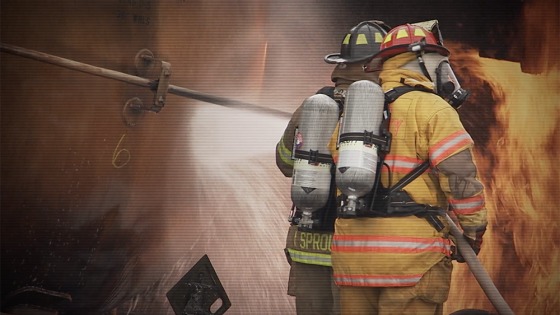
When Every Second Matters
Access TRANSCAER®’s free, fast-paced hazmat training videos and sharpen essential response skills today.