
The Emissions and Hazards of Lithium-Ion Battery Thermal Runaway
Lithium-ion (Li-ion) batteries are used by billions of consumers daily and power much of our modern world, including electric vehicles, smartphones, and energy storage devices. Their popularity stems from their high energy and power density, extended lifecycle, and efficiency, but they can carry significant risks. One of the most critical public health hazards that come with Li-ion battery usage is thermal runaway, an internal failure that can lead to fires, explosions, and the release of harmful emissions. For emergency responders and transportation professionals, understanding these risks is essential for safety and preparedness.
What is thermal runaway?
Thermal runaway is a chain reaction in Li-ion batteries that generates excessive heat and damages the internal structure. This can be triggered by:
- Mechanical damage – Dropping, crushing, or puncturing a battery during handling or transport.
- Electrical abuse – Using the wrong charger, overcharging, or a short circuit.
- Exposure to heat – Exposure to fire or high ambient temperatures.
Once initiated, rising temperatures drive deterioration, releasing heat and flammable gases. When these gases accumulate in a battery cell, they can rapidly increase internal pressure and create a high risk of fire and explosion that releases toxic chemicals into the environment.
Emissions and associated risks for responders
The process of thermal runaway creates a complex mixture of emissions that scientists are still working to understand, including:
- Toxic gases (e.g., volatile organic compounds [VOCs] and carbon monoxide)
- Metals (e.g., lithium, manganese, lead, and cobalt)
- Particulate matter (i.e. fine particles that can penetrate deep in the lungs, increasing the risk of respiratory or cardiovascular issues)
Exposure to thermal runaway emissions can potentially lead to both short- and long-term health effects. Short-term symptoms may include coughing and throat and eye irritation, but there isn’t much known about the longer-term effects to this specific type of chemical exposure. In a 2025 study by UL Research Institutes’ Chemical Insights, scientists found that exposure to some of these emissions can damage DNA and make it harder for the body to make DNA repairs. Chemical Insights is also working on a study to identify the specific chemicals involved in electrical vehicle fires to create a better foundational knowledge of exposure.
Challenges and best practices for mitigating risk
When it comes to transporting Li-ion batteries, the risk of a thermal runaway event are amplified due to batteries being shipped in large quantities and often being packed tightly together. If one cell enters thermal runaway, the reaction can cascade through an entire shipment. When responding to a Li-ion battery fire, consider the following guidelines to mitigate risk.
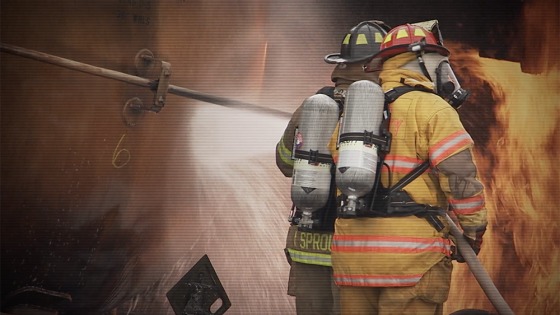
- Use appropriate personal protective equipment (PPE): To adequately protect against chemical emissions exposure, responders should wear all proper PPE to protect themselves from absorbing chemicals through the skin or through inhalation. Even if the scene appears contained, it’s important to keep PPE on until reaching an established safe zone due to the risk of reignition and the continual release of emissions even after a fire is suppressed.
- Monitor air quality: Use portable air quality monitors to detect and measure pollutant levels of particulate matter, carbon monoxide, and VOCs. Levels should be checked regularly during and after suppression.
- Be prepared: Attend/host trainings and watch online training videos to maintain awareness of proper emergency response protocols.
Looking ahead
As Li-ion batteries become more prevalent, transportation and emergency response sectors must stay informed about evolving risks. Organizations like Chemical Insights are conducting critical research to better understand emissions and health impacts, providing resources that highlight the unique hazards of Li-ion batteries and thermal runaway.
For emergency responders, staying informed is key. By integrating these insights into training and preparedness plans, responders can reduce exposure risks and protect public health.

Training Events Near You
Browse through the hazmat training events available in your region or state. All events are free and help emergency responders prepare for hazmat incidents.

Sponsors & Partners
Learn more about the organizations that provide free, quality training for emergency responders.
When Every Second Matters
Access TRANSCAER®’s free, fast-paced hazmat training videos and sharpen essential response skills today.